
Sewage Cleanup, Scoped as the Biohazard Job It Actually Is
A sewer backup isn't a bigger version of a clean water flood. It needs containment, sanitizing, and disposal handled to a different standard, and we scope it that way from the start.
Email Us for a Free Estimate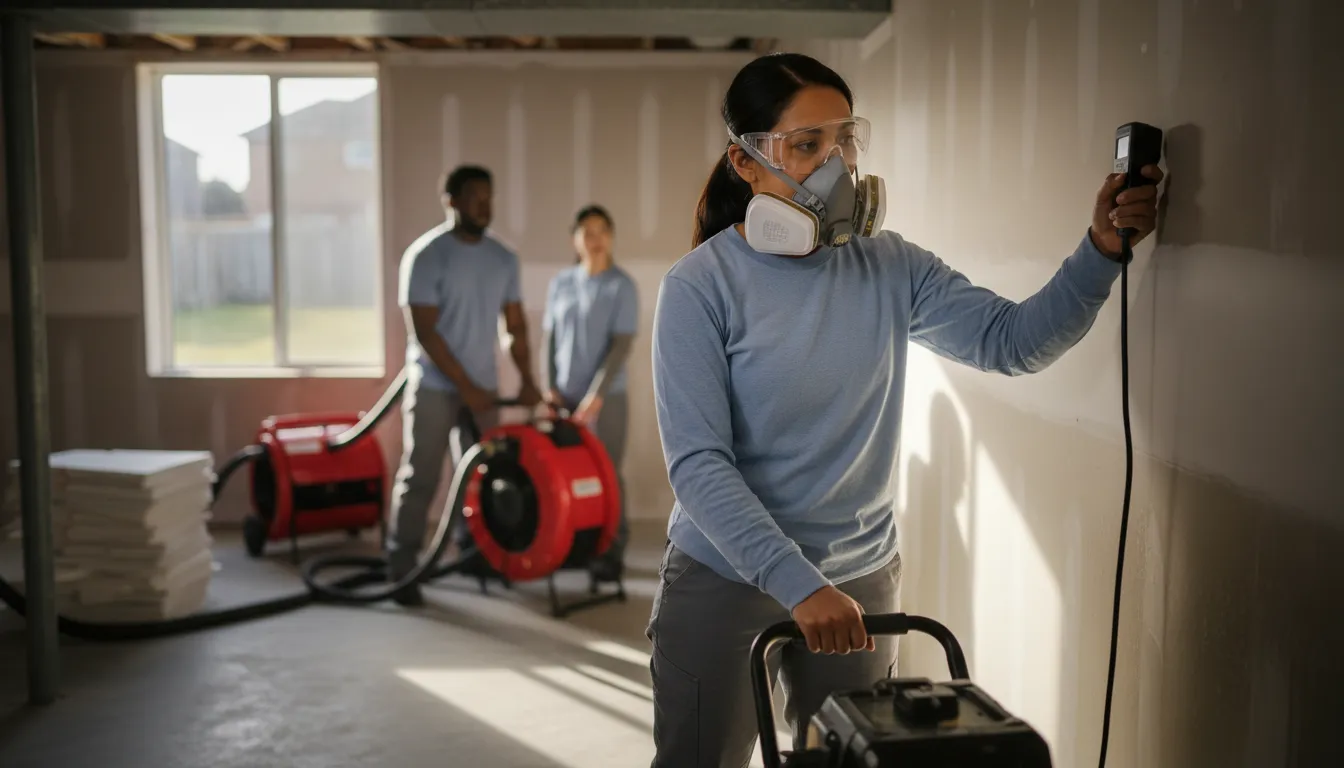
Why Sewage Backups Hit Older and Newer Vaughan Homes Differently
Sewer backups in this area usually trace back to one of a few causes, and the fix depends heavily on which one and how the home's plumbing was built.
Aging clay and cast iron laterals
Homes built in Vaughan before the 1990s sometimes still have original clay or cast iron sewer laterals, which are prone to root intrusion and cracking after decades in the ground, leading to slow backups that suddenly overflow during heavy rain.
Combined sewer surcharge during storms
During intense summer storms, municipal sewer capacity can be exceeded, causing backups to push into homes through basement floor drains, particularly in lower-lying areas without a functioning backwater valve.
Missing or failed backwater valves
Newer builds are supposed to include a backwater valve, but a failed or improperly maintained valve removes that protection entirely, and homeowners often don't know they have this vulnerability until the first backup happens.
Finished basements with limited floor drain visibility
Basements finished with carpet or laminate over the floor drain area make it harder to spot early signs of backup, which means by the time it's noticed, the contaminated water has often already spread under flooring.
Cheap Sewage Quotes Skip Category Classification
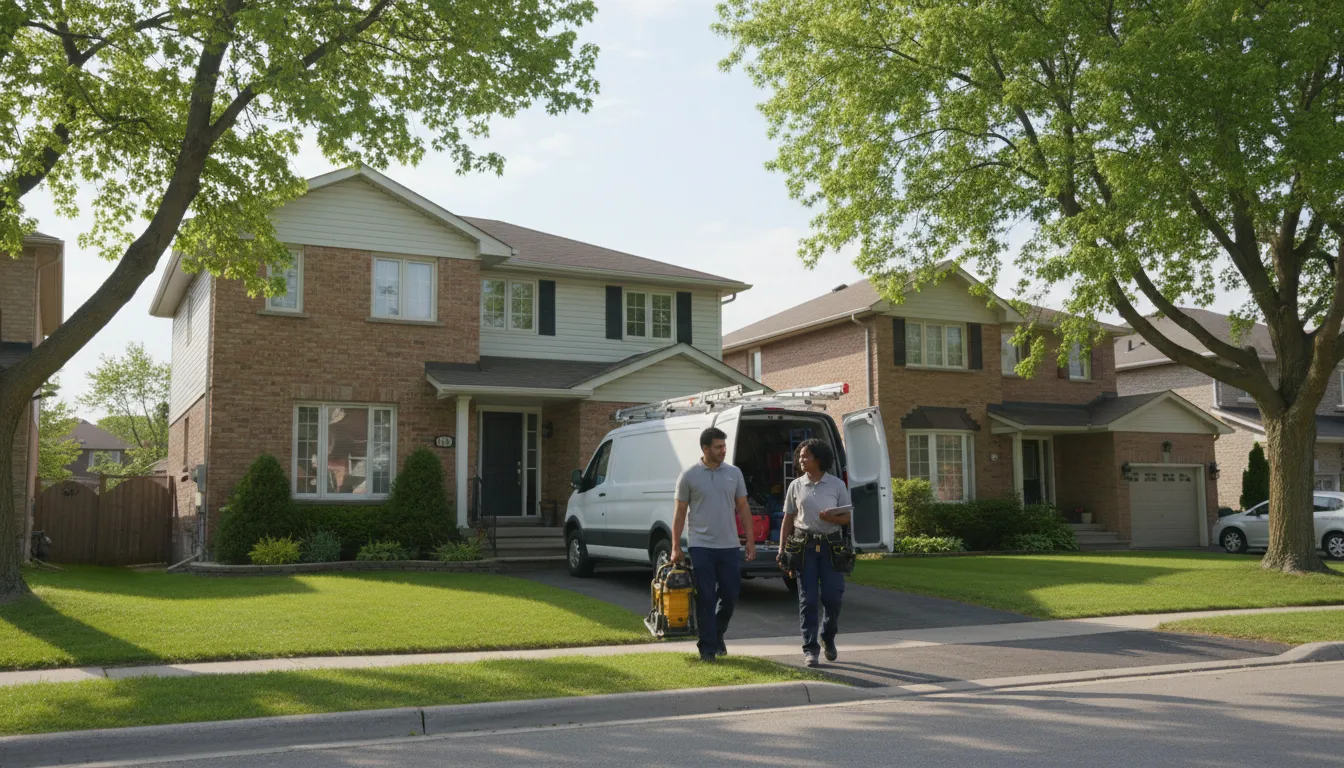
Sewage backups get classified by contamination level, and that classification should drive the entire cleanup approach, from PPE to disposal to how aggressively affected materials get removed. A quote that treats a sewage backup like a clean water flood, with a lower price to match, is skipping the step that protects your household's health, not just cutting corners on cost.
We Classify Contamination Before We Scope the Job
Every sewage cleanup starts with an assessment of contamination category, which tells us what needs to be removed versus what can be sanitized and kept, and what containment measures the job actually requires. That classification is part of your written scope, so you can see exactly why certain materials are being disposed of rather than cleaned.
Our Sewage Cleanup Process
Sewage cleanup has to be sequenced carefully to protect both your home and the people working in it.
- 1
Email us right away
Describe the backup, including where it's coming from if you know, so we can prepare the right containment approach before arriving.
- 2
Contamination classification
We assess the category of contamination on-site, which determines the disposal and sanitizing approach for the rest of the job.
- 3
Contained extraction and removal
Contaminated water and affected porous materials are removed with proper containment to avoid spreading contamination further into the home.
- 4
Sanitizing and antimicrobial treatment
Remaining surfaces are cleaned and treated to address the specific contamination risk from sewage exposure.
- 5
Drying and final verification
Structural drying follows once the area is sanitized, with moisture readings confirming the space is safe before we close out the job.
Why We Treat Sewage Cleanup as Its Own Category
Sewage backups get the same rushed treatment as ordinary floods in a lot of quotes we've seen replaced. We don't scope it that way.
Category classification on every job
We identify contamination level before deciding what's salvageable versus what must be disposed of.
Proper containment protocols
We contain the work area to avoid spreading contamination to unaffected parts of the home.
Documented disposal
Contaminated material removal is logged, useful for both your records and insurance.
Fast response for active backups
An active sewage backup gets prioritized dispatch given the health risk involved.
Local sewer lateral knowledge
We understand common backup causes in older versus newer Vaughan-area plumbing systems.
Honest salvage calls
We tell you plainly when something contaminated needs to go, and when it doesn't.
Sewage Cleanup Questions
Is sewage cleanup covered by home insurance in Ontario?
It depends on your policy and the cause. Many policies cover sudden sewer backup if you have the right endorsement, while some exclude it without specific overland or sewer backup coverage. We document the incident thoroughly so you have what you need for that conversation with your insurer.
Can I clean up a sewage backup myself?
We'd strongly caution against it beyond basic safety steps like shutting off water use to the affected drain. Sewage contamination carries real health risks, and proper cleanup requires containment and disposal handling that's difficult to do safely without the right equipment.
How do you decide what gets thrown out versus cleaned?
It comes down to material type and contamination category. Porous materials like carpet, underpad, and drywall that contacted sewage are generally not salvageable, while harder, non-porous surfaces can often be sanitized and kept. We walk you through that distinction item by item.
What causes sewer backups in Vaughan specifically?
Aging clay or cast iron laterals, root intrusion, and municipal sewer surcharge during heavy storms are the most common causes we see in this area, along with missing or failed backwater valves in some homes.
How long does a typical sewage cleanup take?
It depends on the extent of the backup and how much material needs removal versus sanitizing. A contained floor-drain backup might be resolved in a couple of days, while a backup that's spread under flooring and into walls takes longer. We give you a realistic timeline once we've classified the contamination.
Sewage Backup? Email Us the Details Now
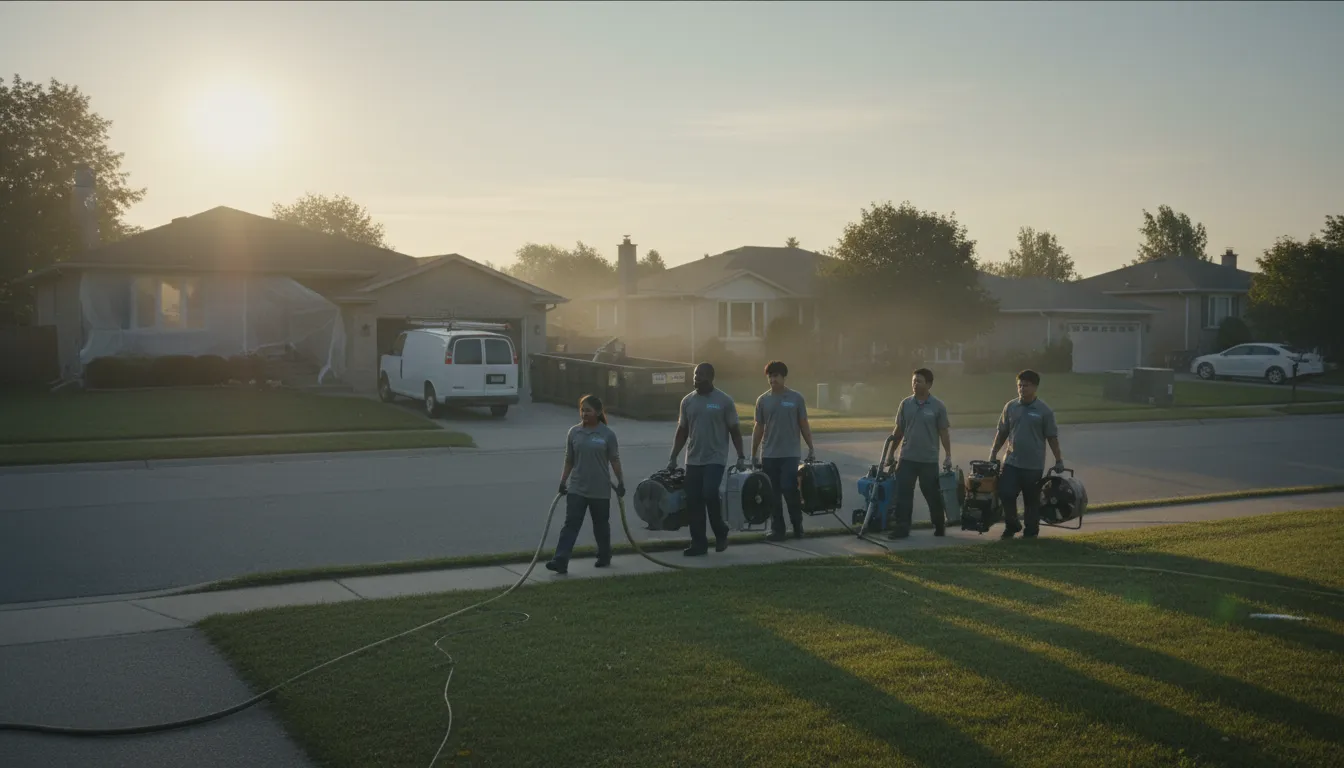
We'll classify the contamination and scope containment and cleanup properly from the start.
Email Us for a Free EstimateWeather drives water-damage risk — email us if you find water.
Summer water-damage conditions in Vaughan, ON
Summer storms and high humidity around Vaughan, ON drive flash flooding, roof leaks, and the warm, damp conditions mold needs to spread fast — water damage should be dried out within 24–48 hours.
Proudly Serving Vaughan, ON
Local, on-time service throughout Vaughan and the surrounding area.